Best IT Training Institute in Bangalore | 1000+ Students Trained | 40+ Industry-Relevant Courses
Have Question? Call Us +91 9845525377

Author name: anandnatarajan76@gmail.com

Linux is an open-source operating system known for stability, security, and flexibility, widely used in servers, cloud computing, and development environments.
Uncategorized

What Is Linux and Why Is It Used? (Complete Guide)

Amazon Web Services (AWS) is the most used cloud computing platform in the world. AWS offers more than 200 services that help individuals, start-ups and large businesses that build and manage applications without needing physical hardware and data centres. It was launched by Amazon in 2006, AWS has become a global leader in cloud technology because of its reliability, scalability, security and pay as you go price model that’s one of the main reasons widely being used.

CCNA Plus Networking Hardware course in BTM with hands-on training. Learn networking basics, hardware skills, and get job-ready as a fresher.
Uncategorized

CCNA Plus Networking Hardware Course in BTM | Job-Ready Training for Freshers

When you are looking for a strong career in the IT industry, networking is one of the most stable and high-demand fields in India. In Bangalore companies are increasing their digital infrastructure so there is more need for skilled networking professionals. If you are looking for a job-oriented CCNA plus Networking Hardware course in BTM Layout then the Techpragna institute is the best choice because they provide the perfect learning path and will help you to become job ready with practical skills, expert guidance and certification support.

A futuristic illustration representing cybersecurity, featuring a glowing digital shield with a padlock at its center. The image symbolizes data protection, network security, and defense against cyber threats.
Uncategorized

Beginner-Friendly Cybersecurity Course in Bangalore: A Complete Guide for 2025

If you are planning to start a career in this fast moving world of cybersecurity then Bangalore is the best place to start your journey. India is a major hub for IT, cloud, fintech and digital transformation. There is a lot of demand for cyber security professionals. Nowadays most of the companies face threats such as data breaches, phishing attacks, ransomware, and network vulnerabilities and because of all these, cybersecurity is the most demanding and safe career skill.

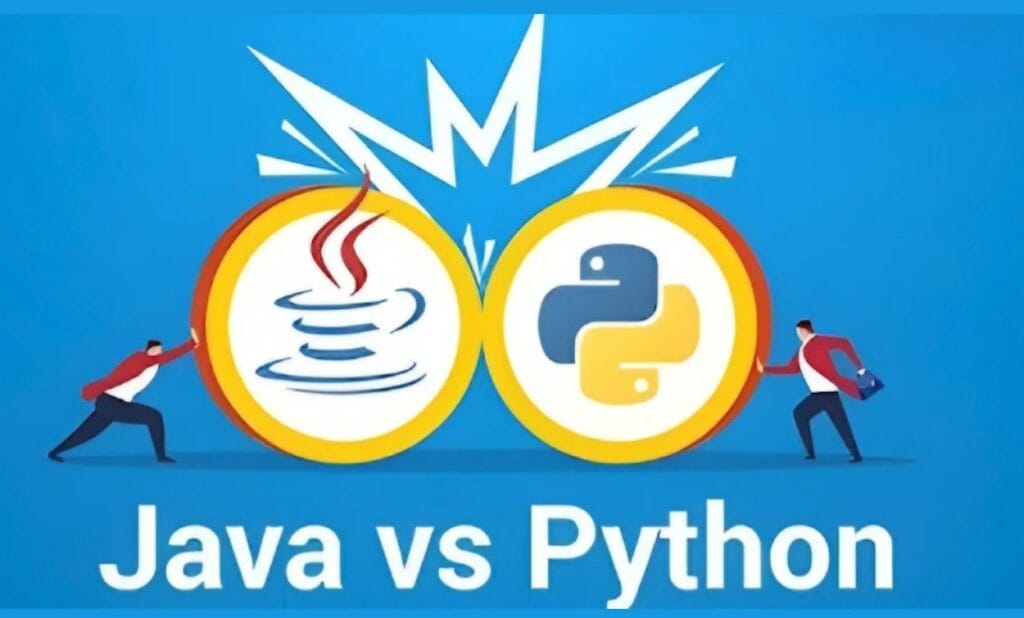
Illustration of Java vs Python logos with people pulling them in opposite directions
Uncategorized

Is Python Easier to Learn Than Java? A Comprehensive Guide

Is Python Easier to Learn Than Java? A Comprehensive Guide Introduction to TechPragna Institute Techpragna is one of the Top institutes in Bangalore and they offer specialized training programs for professionals and students in the fields of programming, data science, machine learning and more. Techpragna institute makes sure that the students receive practical knowledge through interactive sessions and expert-led training. It doesn’t matter whether you are fresher or professional looking to upgrade skills, Techpragna’s well-structured courses will help you to make the right choice for your tech career.  In this blog you are going to understand Is Python easier to learn than Java? This is a popular question for freshers who are looking to enter the world of programming. We are going to compare both the languages in terms of various learning factors, career opportunities and use cases. Table of Contents Introduction Why Learn Programming? Overview of Python Overview of Java Syntax Comparison: Python vs Java Community Support and Resources Job Opportunities and Career Growth Conclusion 1. Introduction Programming languages are important tools for software development, and two of the most popular languages today are Python and Java. Python is famous for its simplicity and ease of use and has earned more popularity in recent years. But Java has been stable in the software development industry for decades. But which one is easy? For beginners who are looking to learn a new programming language it is difficult.  Python and Java both have their strengths and applications but Python’s design philosophy prioritizes ease of readability and simplicity and that makes the better choice for those who are looking to start their programming journey.  2. Why Learn Programming? Before understanding the difference between python and Java it is important to understand the importance of learning a programming language. Programming languages will allow you to build software, websites, applications and even control hardware. There is a lot of demand for tech-skilled professionals in India and across the globe. Being proficient in at least one programming language is crucial for career advancement. Both python and Java are important skills for tech companies and that makes them excellent choices for anyone looking to get into software development or data-related fields. If you are efficient with any of the programming languages then it will open up a wide range of career opportunities in web development, data analysis, machine learning, AI and more. 3. Overview of Python Python is an interpreted, high-level programming language and it is known for its simplicity and ease of use. It was created by Guido van Rossum in 1991 and python gives importance to its  readability and allows developers to write fewer lines of code to achieve the same functionality as other languages. Below are the Key Features of Python: Readable Syntax: Python’s syntax is simple and it is almost like writing English making it accessible to beginners. Versatile: Python is used in a wide range of applications including web development, data science, automation, artificial intelligence and more. Large Community: Python has a massive community and extensive libraries making it easier to find resources and support. 4. Overview of Java Java is a class based, object oriented programming language and it is known for its stability, performance and portability. It is mainly used in enterprise applications Android development and backend systems.  Below are the Key Features of Java: Object-Oriented: Java is fully object-oriented and that makes it ideal for large-scale projects. Platform Independence: Java follows the “write once, run anywhere” philosophy, as its bytecode can run on any platform that supports the Java Virtual Machine (JVM). Robust and Secure: Java’s features make it highly secure and suitable for building large applications. 5. Syntax Comparison: Python vs Java When you are learning a programming language the syntax is very important in understanding for beginners how easy or difficult it is to pick up the language.  Python: Python is famous for its clean and readable syntax and in Python there is no need to declare variable types or use semicolons and that makes code less cluttered and easier to understand. # Python Example def add(a, b):     return a + b Java: But Java requires strict syntax rules and you must declare variable types, use semicolons and the code will be more compared to Python. // Java Example public class Main {     public static int add(int a, int b) {         return a + b;     } } Python is very simple in terms of syntax and that makes it easier for beginners to get started. 6. Community Support and Resources Both Python and Java have strong community support however Python has one of the largest developer communities in the world. It doesn’t matter whether you are a beginner or an experienced programmer, you can easily find tutorials, documentation and online support forums to help you in difficult challenges. This active community is continuously contributing to improve Python’s ecosystem with regular updates, open-source projects and new learning materials. Java also has a big community and especially among enterprise-level developers and some of its resources are more advanced and require prior knowledge of programming concepts. Top institutes like Techpragna(IIHT) provide you the best Python training in Bangalore and they also help learners with hands-on projects and real-world applications. 7. Job Opportunities and Career Growth  Some of the Popular Job Roles for Java Developers Java Full Stack Developer Android App Developer Software Engineer (Java) Backend Developer Popular Job Roles for Python Developers Data Analyst / Data Scientist AI / Machine Learning Engineer Python Web Developer (Django / Flask) Automation Engineer There is more career growth in Python because of its versatility in emerging technologies like AI and data science and that makes it a strong choice for the beginners.  8. Conclusion Both Java and Python offer strong career paths for freshers in the Bangalore job market. There is no coincidence in python’s popularity because it offers a perfect balance of simplicity, power and versatility that few other languages can match. Its ability to adapt to different domains like data science, AI, web development and automation makes it one

Data Analytics Course
Python programming

What Are the Advantages of Python vs Other Languages?

In this Fast evolving tech world programming languages play a very important role in shaping a developer’s career. There are different types of programming languages available but Python is very famous because of its simplicity, versatility and wide range of applications. From web development and artificial intelligence (AI) to data science and automation Python has become

Uncategorized

Power BI vs Tableau: Which Data Visualization Tool Is Better?

Data visualization is crucial in today’s data-driven world. Businesses, analysts, and professionals rely on tools to turn raw data into meaningful insights. Among the many tools available, Power BI and Tableau are the two most popular choices. Both offer robust features but serve slightly different audiences and use cases. This guide compares Power BI and Tableau in 2025 to help you decide which tool is the right fit for your needs. 1. Overview: Power BI vs Tableau Feature Power BI Tableau Company Microsoft Salesforce Release Year 2015 2003 Primary Use Business Intelligence with integration into Microsoft products Data exploration and visual storytelling Ideal Users Business professionals, enterprises on Microsoft ecosystem Data analysts, researchers, organizations focused on data storytelling 2. User Interface & Ease of Use Power BI is known for its easy-to-use interface with drag-and-drop functionality. Beginners can get started quickly, especially those familiar with Excel. Tableau offers a more flexible drag-and-drop interface but has a steeper learning curve, especially for advanced visualizations. Winner: For beginners, Power BI is easier to adopt. For advanced visualizations, Tableau offers more design flexibility. 3. Data Connectivity Options Power BI connects seamlessly with Microsoft products (Excel, Azure, SQL Server, SharePoint), but also supports APIs, cloud services, and hundreds of data connectors. Tableau offers broader native connectivity, especially for non-Microsoft platforms, supporting databases like Google BigQuery, AWS, Snowflake, and even advanced data sources like SAP Hana. Winner: Tableau leads in wide-ranging data source connectivity. 4. Data Handling Capacity Power BI is efficient for small to medium datasets but can struggle with very large datasets without optimizations like aggregations or dataflows. Tableau is known for handling large datasets efficiently, providing better performance with high-volume data. Winner: For large-scale, complex datasets, Tableau performs better. 5. Visualization Capabilities Power BI provides standard and interactive visuals but has some design limitations. Tableau is famous for rich, complex, and custom visualizations with in-depth customization and artistic design elements. Winner: For presentation-quality visuals, Tableau is superior. 6. Integration Ecosystem Power BI integrates natively with Microsoft Office Suite, Teams, Azure, Dynamics 365, making it a perfect choice for enterprises using Microsoft tools. Tableau integrates well with Salesforce, cloud data platforms, and advanced analytics tools like R, Python, and Hadoop. Winner: Choose Power BI for Microsoft-heavy environments, Tableau for data science and cloud ecosystems. 7. AI & Machine Learning Features Power BI offers AI capabilities via Azure, natural language Q&A, and built-in AI visuals. Tableau provides Explain Data, predictive modeling, and integrations with Python (TabPy) and R for deeper data science tasks. Winner: For AI-assisted insights, Power BI is more accessible. For custom predictive modeling, Tableau is more powerful. 8. Pricing Comparison (2025) Tier Power BI Tableau Free Power BI Desktop (basic features) Tableau Public (public data only) Pro $10 per user/month Tableau Creator $75 per user/month Enterprise Power BI Premium starts at $20/user/month or capacity pricing Tableau Explorer/Viewer licenses from $15-$42 per user/month Winner: Power BI is significantly more cost-effective, especially for smaller businesses. 9. Deployment Options Power BI supports cloud, on-premises (Power BI Report Server), and hybrid deployments. Tableau offers cloud, on-premises (Tableau Server), and Tableau Cloud (formerly Tableau Online) with more flexibility in deployment environments. Winner: Tableau offers greater deployment flexibility, especially in hybrid data environments. 10. Collaboration and Sharing Power BI provides seamless sharing within Microsoft Teams, Office 365, and via secure links. Tableau supports interactive dashboards on Tableau Server/Cloud, but sharing is more enterprise-oriented and less straightforward for casual users. Winner: Power BI is easier for organization-wide sharing; Tableau suits analytic teams. 11. Learning Curve and Community Support Power BI is beginner-friendly with many official Microsoft tutorials and a strong user community. Tableau has a steeper learning curve but boasts a highly engaged and creative data visualization community. Winner: Power BI for quick adoption; Tableau for deep analytical mastery. 12. Which Should You Choose in 2025? If You Want… Choose Budget-friendly, quick reports, easy Microsoft integration Power BI Complex analytics, large datasets, advanced visuals Tableau Faster time-to-insight for business teams Power BI Data science and exploratory analysis flexibility Tableau Seamless Office 365 and Teams collaboration Power BI Integration with Salesforce and cloud data warehouses Tableau Conclusion Power BI and Tableau are both excellent data visualization tools, but your choice depends on your needs. Power BI is cost-effective, easy to use, and fits well in Microsoft environments. Tableau excels in visual creativity, big data handling, and suits data analysts who need maximum flexibility. In 2025, many organizations even use both tools together depending on team roles. If you’re a business user, Power BI might be ideal. If you’re a data analyst or visualization enthusiast, Tableau is a strong choice.

Uncategorized

Who Is a Full Stack Developer? Complete Guide for Beginners (2025)

In today’s technology-driven world, web and app development is crucial for businesses and services. A Full Stack Developer is a highly sought-after professional who can handle all layers of software development — from the user interface to the database and server logic. This guide will help beginners understand what a full stack developer is, their skills, responsibilities, and how to become one in 2025. 1. What is a Full Stack Developer? A Full Stack Developer is a software engineer who works on both the front-end (client side) and back-end (server side) of a web or mobile application. This means they can build a complete application from scratch, handling everything from the layout users interact with, to the business logic and database behind the scenes. Front-End: The visual part of the application (buttons, layouts, animations). Back-End: The server, database, and application logic that power the app behind the scenes. 2. Why Are Full Stack Developers Important in 2025? With rapid digital transformation, companies want developers who can: Deliver end-to-end solutions. Work efficiently across multiple tech layers. Communicate better with teams by understanding full project scope. Save cost and time by reducing the need for multiple specialists. Full stack developers provide flexibility and adaptability in an evolving tech landscape. 3. Key Skills of a Full Stack Developer Front-End Skills: HTML/CSS: Markup and styling for web pages. JavaScript: Adds interactivity and dynamic behavior. Modern Frameworks: React.js, Vue.js, Angular, Svelte. Responsive Design: Making apps work on mobile and desktop. Back-End Skills: Server-Side Languages: Node.js, Python, Java, Ruby, PHP, Go. Databases: SQL (MySQL, PostgreSQL), NoSQL (MongoDB, Cassandra). APIs: RESTful services, GraphQL. Authentication & Security: OAuth, JWT, encryption basics. Other Important Skills: Version Control: Git/GitHub. Deployment: Cloud services (AWS, Azure, Google Cloud), Docker, CI/CD pipelines. Basic UI/UX Understanding: To better collaborate with designers. Problem Solving & Debugging: Critical thinking and troubleshooting. 4. Technologies and Tools in 2025 for Full Stack Developers JavaScript Ecosystem: ES2025 features, TypeScript, Deno. Frameworks: React 19+, Next.js for SSR, SvelteKit. Backend: Node.js 20+, Python 3.12+, serverless functions. Databases: Hybrid SQL/NoSQL cloud databases like PlanetScale, Firebase. Cloud & DevOps: Kubernetes, Docker, serverless architectures. AI & Automation: Integration of AI APIs and low-code tools. Security: Zero-trust architecture, advanced auth protocols. 5. Roles & Responsibilities of a Full Stack Developer Designing user interactions on web/mobile apps. Developing back-end services and APIs. Writing reusable, testable, and efficient code. Managing databases and servers. Ensuring cross-platform optimization. Collaborating with designers, product managers, and other developers. Monitoring performance and fixing bugs. Keeping up to date with latest trends and technologies. 6. Typical Work Environment Full stack developers can work in startups, mid-sized companies, or large enterprises. They are often part of agile teams and may work remotely or on-site. Their role can be flexible, involving both coding and strategic planning. 7. Pros and Cons of Being a Full Stack Developer Pros: Versatility and high demand. Opportunity to work on entire project scope. Competitive salary. Growth into roles like tech lead, architect, or CTO. Cons: Steep learning curve. Risk of burnout managing too many areas. Need for continuous learning. 8. How to Become a Full Stack Developer in 2025? Step 1: Learn the Basics Start with HTML, CSS, JavaScript. Understand how the web works (HTTP, browsers). Step 2: Pick a Front-End Framework Learn React.js or Angular or Vue.js. Step 3: Learn Back-End Development Choose Node.js with Express or Python with Django/Flask. Understand REST APIs and databases. Step 4: Practice Databases Learn SQL and NoSQL databases. Step 5: Build Projects Create real-world applications like blogs, e-commerce sites, or chat apps. Step 6: Learn Deployment & DevOps Basics Deploy your apps on cloud platforms (AWS, Heroku, Vercel). Use Git and CI/CD pipelines. Step 7: Keep Upgrading Skills Follow trends like serverless, edge computing, AI integration. 9. Recommended Learning Resources Online Courses: freeCodeCamp, Codecademy, Udemy, Coursera. Books: “Eloquent JavaScript” by Marijn Haverbeke “You Don’t Know JS” by Kyle Simpson “Full Stack Development with React and Node” by David Choi. Practice Platforms: GitHub projects, LeetCode, HackerRank. Communities: Stack Overflow, Reddit, Dev.to. 10. Career Outlook and Salary in 2025 Full stack development remains one of the most in-demand IT roles. Average salaries globally range from $70,000 to $130,000+, depending on location and experience. Strong growth expected with opportunities in AI-powered web apps, blockchain, IoT. 11. Full Stack Developer vs Other Developer Roles Role Focus Area Skills Emphasis Front-End Developer User Interface (UI) HTML, CSS, JavaScript Back-End Developer Server, Database Node.js, Python, SQL Full Stack Developer Both Front & Back-End Combined front and back-end skills 12. Tips to Succeed as a Full Stack Developer Focus on mastering core concepts before frameworks. Build a strong portfolio with projects. Collaborate and communicate well with teams. Practice writing clean, scalable code. Never stop learning — tech evolves fast. Contribute to open source. Conclusion A Full Stack Developer is a versatile and highly skilled software engineer capable of building complete applications from start to finish. In 2025, this role is more dynamic and essential than ever, requiring continuous learning and adaptability. For beginners, starting with core web development basics and gradually expanding skills into back-end, deployment, and emerging tech is the key to success. If you enjoy solving problems, creating digital products, and learning new technologies, a full stack developer career can be very rewarding.  

Uncategorized

Frontend vs Backend vs Full Stack Developer: What’s the Difference?

In the world of web and software development, you’ll frequently encounter the terms frontend, backend, and full stack. These roles are fundamental in building modern applications and websites, yet each represents a unique area of expertise and responsibility. Whether you’re a beginner trying to decide which path to take, a business owner hiring developers, or just curious about how software is built — understanding the difference between these three roles is crucial. Let’s dive into a detailed comparison of Frontend vs Backend vs Full Stack Developers, exploring their skills, tools, responsibilities, salaries, and more across 12 key points. 1. Definition and Core Responsibilities Frontend Developer: A frontend developer is responsible for everything that users see and interact with on a website or app. They design and build the user interface (UI) using code and ensure that the experience is smooth, accessible, and responsive. Main Tasks: Designing layouts Writing UI logic Implementing responsive design Ensuring cross-browser compatibility Backend Developer: A backend developer works behind the scenes. Their role is to build and maintain the server, database, and application logic that make the frontend functional. They handle data storage, business logic, and system integration. Main Tasks: Writing APIs Connecting to databases Managing user authentication and authorization Ensuring server-side performance Full Stack Developer: A full stack developer has knowledge of both frontend and backend development. They are capable of handling a project from start to finish — managing the complete tech stack. Main Tasks: Developing both client and server software Coordinating between UI/UX and backend architecture Troubleshooting across all layers of an application 2. Technologies Used Frontend Developers: Languages: HTML, CSS, JavaScript Frameworks/Libraries: React, Angular, Vue.js, SASS Tools: Figma, Adobe XD (for UI/UX), Webpack, Git Backend Developers: Languages: Java, Python, PHP, Ruby, Node.js, Go Frameworks: Express.js, Django, Laravel, Spring Boot Databases: MySQL, PostgreSQL, MongoDB, Redis Full Stack Developers: Use a combination of both sets above Familiar with the complete stack like MERN (MongoDB, Express, React, Node), MEAN, LAMP, etc. 3. Skill Set Requirements Frontend Developer Skills: Strong understanding of design principles Proficiency in JavaScript and UI libraries Responsive design techniques (Media Queries, Flexbox, Grid) Basic SEO knowledge Backend Developer Skills: Knowledge of server, database, and API development Security (authentication, authorization, data encryption) Performance tuning and caching strategies Version control systems (Git, GitHub) Full Stack Developer Skills: Hybrid of both frontend and backend skills Good architectural and problem-solving ability Agile methodologies and DevOps awareness Understanding of RESTful APIs and microservices 4. Learning Curve Frontend: Moderate – beginner-friendly languages like HTML and CSS make it easier to get started. However, mastering JavaScript frameworks and design patterns can be challenging. Backend: Steeper – requires understanding of logic, architecture, and database management. Often involves working with abstract concepts. Full Stack: Most challenging – involves mastering both frontend and backend domains, and keeping up with a wide range of tools and best practices. 5. Development Focus Frontend: Focuses on the user interface, animations, accessibility, and visual design. Backend: Focuses on business logic, algorithms, databases, APIs, and server-side processing. Full Stack: Focuses on integrating both and ensuring the system as a whole works efficiently. 6. Team Collaboration Frontend Developers: Work closely with designers, product managers, and UX teams. Translate wireframes and mockups into functional interfaces. Backend Developers: Collaborate with data engineers, DevOps, and frontend developers. Ensure that backend APIs and databases meet the business requirements. Full Stack Developers: Act as a bridge between frontend and backend teams. Often handle full ownership of features or small applications. 7. Tools and Environments Role Tools & Platforms Frontend VS Code, Chrome DevTools, Webpack, Babel Backend Postman, Docker, AWS, SQL clients, Terminal Full Stack Combines tools from both environments 8. Performance Optimization Frontend: Lazy loading, image optimization, and minimizing DOM manipulation. Managing client-side rendering performance. Backend: Query optimization, caching mechanisms, load balancing, and server tuning. Full Stack: Handles optimization holistically: improves frontend load times and backend response times together. 9. Salary and Job Market Trends India (Average Annual Salaries): Frontend Developer: ₹4 – ₹12 LPA Backend Developer: ₹6 – ₹15 LPA Full Stack Developer: ₹8 – ₹20 LPA USA (Average Annual Salaries): Frontend Developer: $75,000 – $130,000 Backend Developer: $85,000 – $140,000 Full Stack Developer: $95,000 – $150,000+ Note: Full stack developers are often paid slightly more due to their broader skillset, especially in startups. 10. Career Opportunities and Job Roles Role Possible Titles Frontend Developer UI Developer, Web Designer, React Developer Backend Developer API Developer, Software Engineer, Node.js Expert Full Stack Developer Software Developer, Web App Engineer, Tech Lead Growing Industries: E-commerce, Fintech, SaaS, EdTech, HealthTech, AI-based platforms. 11. When to Choose Which Role Choose Frontend Development if: You enjoy visual design and user experience You have an eye for detail and aesthetics You want to work closely with designers and customers Choose Backend Development if: You enjoy working with logic and problem-solving You like data management and system architecture You prefer working behind the scenes Choose Full Stack Development if: You love understanding the bigger picture You are comfortable multitasking and learning fast You want to lead or manage technical products 12. Future Outlook and Trends Frontend Trends: JAMstack architecture Server-side rendering (SSR) with Next.js Component-driven development Backend Trends: Microservices and serverless architecture API-first development Cloud-native applications (AWS, Azure, GCP) Full Stack Trends: Rise in demand for T-shaped professionals More tools enabling full stack workflows (e.g., Supabase, Firebase) Increased adoption of DevOps practices in full stack teams Conclusion In summary, the choice between frontend, backend, and full stack development depends on your interests, learning style, and career goals. Each role is essential in building modern digital products: Frontend developers make applications beautiful, responsive, and user-friendly. Backend developers make sure those applications are powerful, scalable, and secure. Full stack developers bring the best of both worlds and often become tech leaders or solo builders. As technology continues to evolve, the lines between these roles may blur, but their core differences and importance will remain. So whether you want to master the visuals, rule the backend logic, or conquer both ends of
Scroll to Top
Name
preferred mode