
Ethical Hacking Course
Become a pro in hacking techniques with Techpragna’s ethical hacking course.
- Prove your expertise to the organization by demonstrating your mitigation skills against cyber threats.
- Attain expertise in all tools related to ethical hacking.
- Showcase your skills through your work samples.
- Comprehensive Career Support & industry-focused training.

World-Class Instructors

1:1 with Industry Mentors

55% Avg. Salary Hike

Interview Preparation
World-Class Instructors
1:1 with Industry Mentors
55% Avg. Salary Hike
Interview Preparation
Ethical Hacking Classes
Techpragna’s Ethical Hacking Classes pave your way to a bright future with a lucrative career. Equip yourself with the skills and techniques to safeguard digital assets by recognizing possible cyber threats and mitigating them. Open to beginners and professionals.
Prominent Features – Ethical Hacking Training
- Proficiency in robust tools related to Ethical Hacking
- Mastery over the core concepts such as ethical hacking, penetration testing, and threat detection.
- Attend online and offline sessions where you can ask questions.
- Career-Ready Learning with Hands-On Practice
- Work on live projects that show cybersecurity scenarios where you can implement what you’ve learned and acquire additional information
- All types of Career Support with guaranteed placement.
- Education background-friendly course – Open to all passionate freshers, IT professionals, & career switchers.
Request more information
What You’ll Learn
Accelerate your career in cyber security with our Cyber Security Training at TechPragna in Bangalore. This comprehensive course equips you with the skills and techniques to protect digital assets, identify vulnerabilities, and mitigate cyber threats—perfect for both beginners and working professionals.
Cyber Security Training – Key Features
- Master Essential Tools: Kali Linux, Wireshark, Python, Metasploit, Burp Suite, and SIEM tools
- Learn Core Concepts: Ethical hacking, penetration testing, network security, and threat detection
- Hands-On Projects: Work on real-world cyber security scenarios and practical simulations
- Live Interactive Sessions: Attend online and offline sessions led by top industry professionals
- Career Advancement Support: Receive guaranteed placement assistance with interview preparation
- Beginner-Friendly Approach: Suitable for freshers, IT professionals, and career switchers
Request more information
Ethical Hacking Syllabus
Module 01 Introduction to Ethical Hacking
Learn the fundamentals and key issues in information security, including the basics of ethical hacking, information security controls, relevant laws, and standard procedures.
Module 02 Footprinting and Reconnaissance
Learn how to use the latest techniques and tools for footprinting and reconnaissance, a critical pre-attack phase of ethical hacking
Module 03 Scanning Networks
Learn different network scanning techniques and countermeasures.
Module 04 Enumeration
Learn various enumeration techniques, including Border Gateway Protocol (BGP) and Network File Sharing (NFS) exploits and associated countermeasures.
Module 05 Vulnerability Analysis
Learn how to identify security loopholes in a target organization’s network, communication infrastructure, and end systems. Different types of vulnerability assessment and vulnerability assessment tools are also included.
Module 06 System Hacking
Learn about the various system hacking methodologies used to discover system and network vulnerabilities, including steganography, steganalysis attacks, and how to cover tracks.
Module 07 Malware Threats
Learn about different types of malware (Trojan, viruses, worms, etc.), APT and fileless malware, malware analysis procedures, and malware countermeasures.
Module 08 Sniffing
Learn about packet sniffing techniques and their uses for discovering network vulnerabilities, plus countermeasures to defend against sniffing attacks.
Module 09 Social Engineering
Learn social engineering concepts and techniques, including how to identify theft attempts, audit human-level vulnerabilities, and suggest social engineering countermeasures.
Module 10 Denial-of-Service
Learn about different Denial of Service (DoS) and Distributed DoS (DDoS) attack techniques, plus the tools used to audit a target and devise DoS and DDoS countermeasures and protections.
Module 11 Session Hijacking
Learn the various session-hijacking techniques used to discover network-level session management, authentication, authorization, and cryptographic weaknesses and associated countermeasures.
Module 12 Evading IDS, Firewalls, and Honeypots
Learn about firewalls, intrusion detection systems (IDS), and honeypot evasion techniques; the tools used to audit a network perimeter for weaknesses; and countermeasures.
Module 13 Hacking Web Servers
Learn about web server attacks, including a comprehensive attack methodology used to audit vulnerabilities in web server infrastructures and countermeasures.
Module 14 Hacking Web Applications
Learn about web application attacks, including a comprehensive hacking methodology for auditing vulnerabilities in web applications and countermeasures.
Module 15 SQL Injection
Learn about SQL injection attack techniques, evasion techniques, and SQL injection countermeasures.
Module 16 Hacking Wireless Networks
Learn about different types of encryption, threats, hacking methodologies, hacking tools, security tools, and countermeasures for wireless networks.
Module 17 Hacking Mobile Platforms
Learn mobile platform attack vectors, Android and iOS hacking, mobile device management, mobile security guidelines, and security tools.
Module 18 IoT Hacking
Learn different types of Internet of Things (IoT) and operational technology (OT) attacks, hacking methodologies, hacking tools, and countermeasures.
Module 19 Cloud Computing
Learn different cloud computing concepts, such as container technologies and serverless computing, various cloud computing threats, attacks, hacking methodologies, and cloud security techniques and tools.
Module 20 Cryptography
Learn about encryption algorithms, cryptography tools, Public Key Infrastructure (PKI), email encryption, disk encryption, cryptography attacks, and cryptanalysis tools.
Master In-Demand Skills with Practical, Industry-Based Learning
Career Breakthrough from Certified Ethical Hacker Course
Successful completion of the Certified Ethical Hacker course opens the following long-term career paths.
Penetration Tester
Performs penetration testing of different types – Black Box, White Box, and Grey Box, adhering to a 5-stage process to evaluate digital assets.
Cybersecurity Analyst
Is a trained professional working exclusively in the field of networking and IT infrastructure security, taking precautionary measures against hijacking.
Network Security Engineer
Prevents infections caused by malware and intrusions by configuring vital tools – routers, switches, and firewalls.
Web Application Security Analyst
Safeguards the coding in applications and websites by identifying vulnerable spots, testing systems, and blocking the hacker’s access to the system.
Security Operations Center
They are the cybersecurity professionals who monitor, detect, analyze, and respond to real-time cyber threats.
Ethical Hacker
Performs an authorized security assessment for detecting possible vulnerabilities and mitigating cyber attacks in an environment.
Skills Covered
Cybersecurity Basics & Ethical Hacking Methodologies.
Networking Concepts
Linux Administration and Kali Linux Commands
Footprinting, Reconnaissance, and OSINT Techniques
Network Scanning and Enumeration
Vulnerability Assessment and Risk Analysis
Web Application Security and OWASP Top 10
SQL Injection (SQLi) and Cross-Site Scripting (XSS) Fundamentals
Password Security, Authentication, and Access Control
Wireless Network Security
Tools You’ll Learn in Ethical Hacking Course

Security Analyst
Monitors and analyzes security incidents to detect threats and protect organizational assets through alerts, reports, and response actions.
Security Engineer
Designs, implements, and maintains security infrastructure like firewalls, intrusion detection systems, and encryption to safeguard networks and systems
Ethical Hacker / Penetration Tester
Simulates cyber-attacks by identifying vulnerabilities and weaknesses in systems to help organizations strengthen their defenses
Incident Response Specialist
Leads investigations into security breaches, contains threats, and develops recovery plans to minimize damage and restore normal operations
Security Architect
Develops and enforces comprehensive security strategies and frameworks aligned with organizational goals and compliance requirements
Cyber Security Consultant
Advises businesses on best practices, risk management, and the latest security technologies to improve overall cyber defense posture
Skills Covered
Threat Analysis
Vulnerability Assessment
Network Security
Ethical Hacking
Incident Response
Security Auditing
Cryptography
SIEM Tools
Cloud Security
Business Intelligence
Cyber Security Tools Covered

Career Empowerment Services Provided for Certified Ethical Hacker Course


placement assistance.

Workshops for career enhancement

Tailored career counseling and guidance

Interview Preparations such as mock interviews.

Customized mentoring sessions

Drafting of Curriculum Vitae
Career Services
Placement Assistance
Personalized Guidance
Mock Interview Preparation
One-on-One Mentoring session
Career Oriented Seesions
Resume & LinkedIn Profile Building
How our program works
Enhance Your Skills to Transform Your Career Path
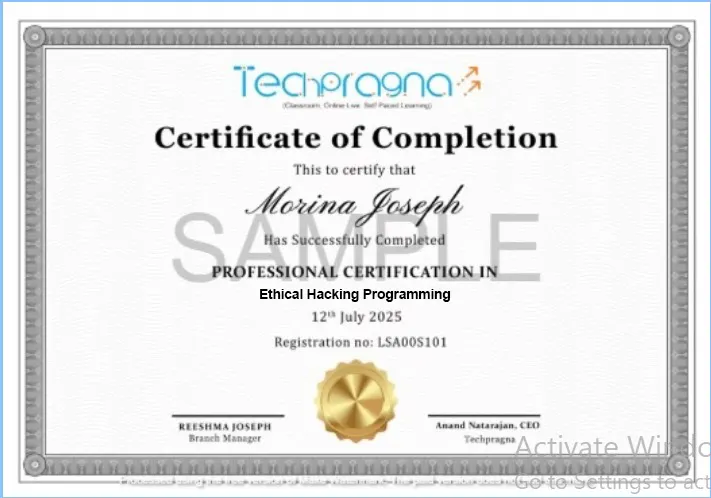
- Prove your expertise with your skills and global certification in an ethical hacking course.
- Become an expert in practical penetration testing and cybersecurity skills via live projects.
- Technical know-how on industry-recognized tools and techniques to counter security vulnerabilities.
- Develop confidence in solving complex real-world problems for protecting system networks and applications.
- Valuable tips from experienced mentors to acquire certification guidance, interview, and career support.
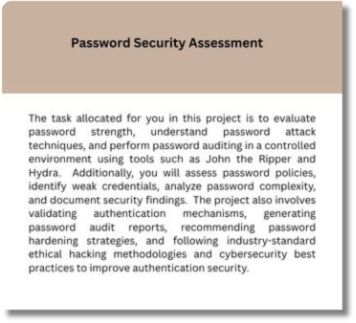
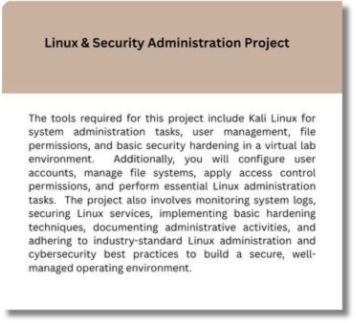
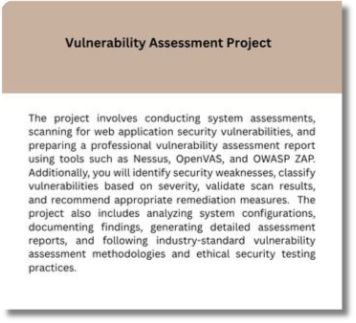
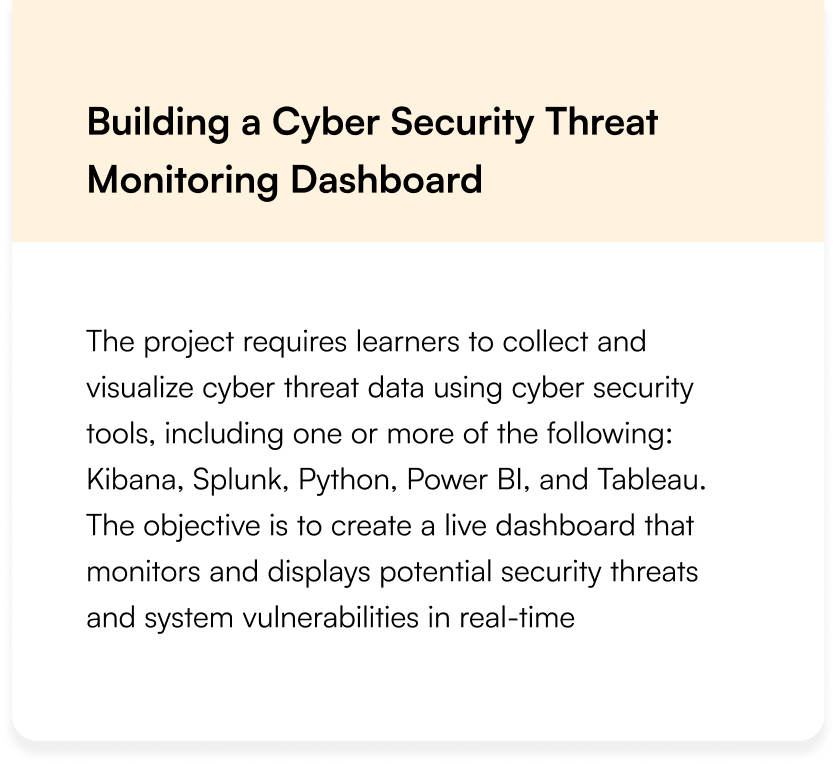
Ethical Hacking Projects Covered
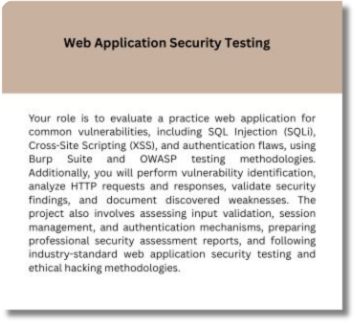
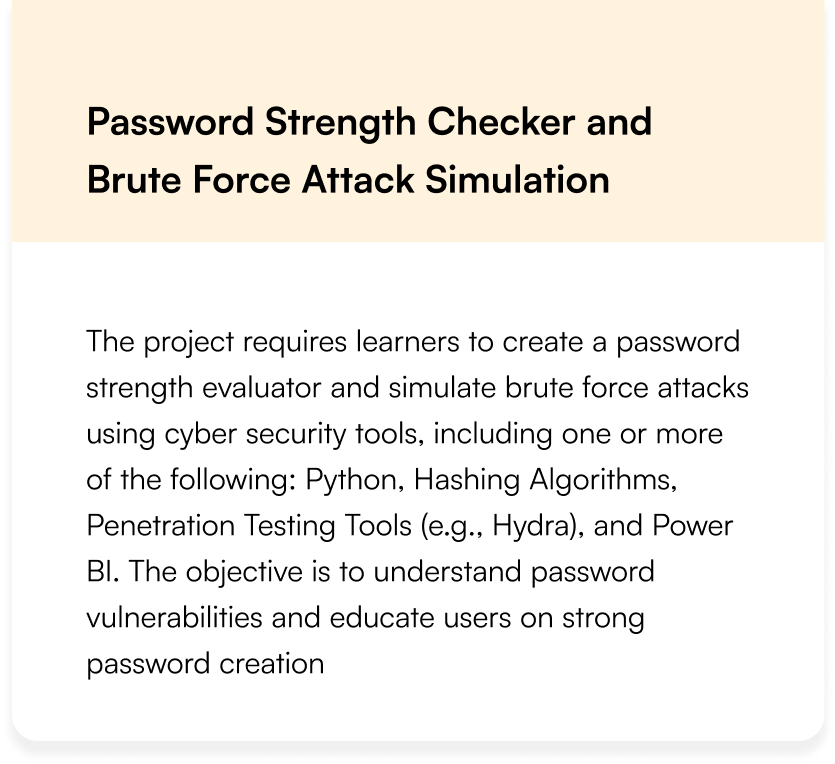
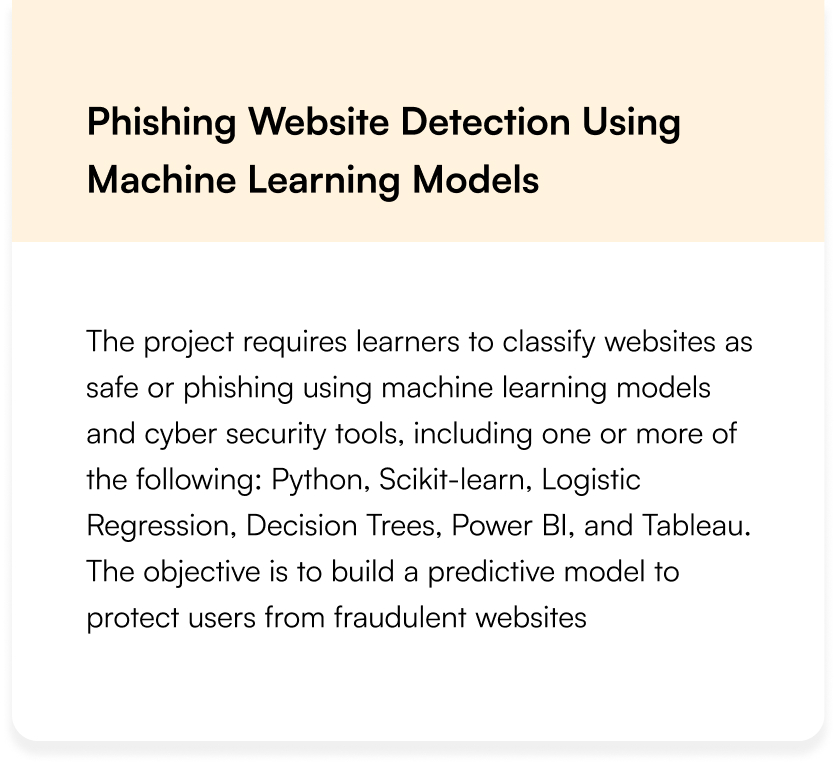
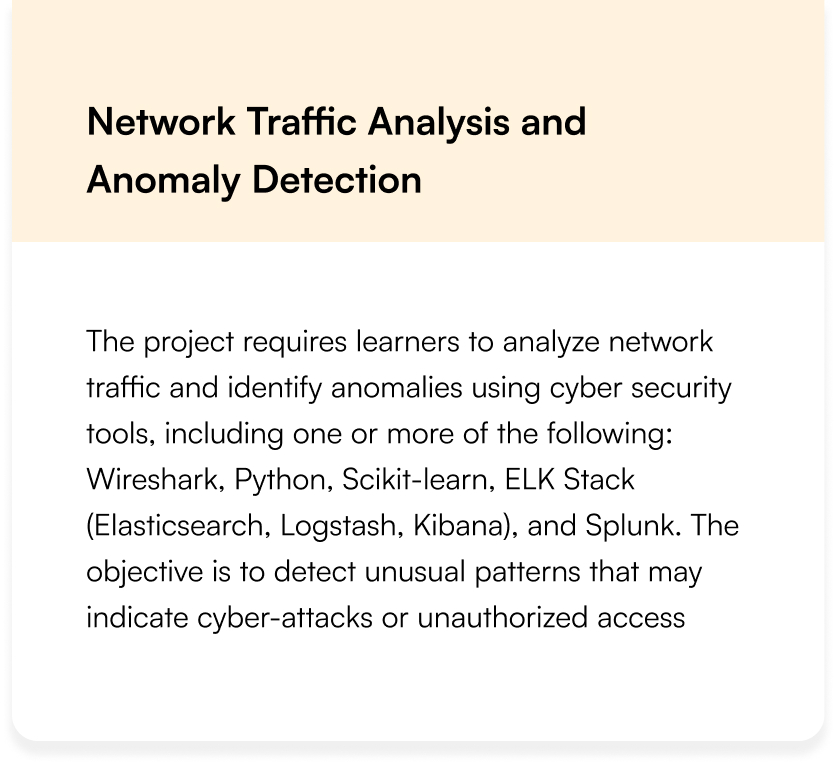
Land Your Dream Job Our Alumni

FAQs on Ethical Hacking Classes
What are the types of hackers?
Hackers are classified as White Hat, Grey Hat, and Black Hat.
If hacking is illegal, why do we need to learn ethical hacking?
Hacking is certainly illegal. However, learning ethical hacking can help you detect possible security vulnerabilities and protect digital systems from intrusions.
What does ethical hacking teach?
An ethical hacking course trains you to be alert against possible cyberattacks so you take necessary steps to protect your data.
Can I learn ethical hacking without a technical background?
Yes, you can learn ethical hacking without a technical background. However, it would be easier if you have experience with operating systems, networks, and scripting languages like Python/PowerShell.
How do ethical hacking and cybersecurity differ from each other?
Cybersecurity covers defense, risk management, and compliance. On the other hand, ethical hacking focuses on offensive security, such as penetration testing and SOC analysis.
How do the roles of SOC Analysts and Penetration Testers differ?
SOC Analysts constantly monitor networks to find threats and mitigate them with SIEM tools. While a penetration tester takes an active initiative to hack systems to find flaws using Kali Linux and Metasploit.
What Our Learners Have To Say








Explore the Latest Trending Courses

Software Testing
- Online/Offline
- 6 Months
- Professional Level Certification
- Projects and Case Study

Data Science
- Online/Offline
- 6 Months
- Professional Level Certification
- Projects and Case Study

Network Engineering
- Online/Offline
- 6 Months
- Professional Level Certification
- Projects and Case Study

Cloud Computing
- Online/Offline
- 6 Months
- Professional Level Certification
- Projects and Case Study
Software Testing
- Online/Offline
- 6 Months
- Professional Level Certification
- Projects and Case Study

Data Science
- Online/Offline
- 6 Months
- Professional Level Certification
- Projects and Case Study

Network Engineering
- Online/Offline
- 6 Months
- Professional Level Certification
- Projects and Case Study
Cloud Computing
- Online/Offline
- 6 Months
- Professional Level Certification
- Projects and Case Study